

GEN Korean BBQ is preparing for a major split between its restaurant operations and the brand it plans to keep for packaged foods.
GEN Restaurant Group has signed a binding letter of intent to sell the operations of 47 U.S. restaurants to Chubby Group in a proposed $100 million transaction. The buyer says it intends to preserve the strongest locations under a refreshed GEN X BBQ format and convert the remaining restaurants to other concepts in its portfolio.
The agreement is not a completed sale. It still depends on definitive documents, lease and license transfers, regulatory approvals and other closing conditions. If those steps are completed, the transition is expected to occur in four phases over roughly 12 months.
What diners could see
The first 12 restaurant takeovers are planned for Nov. 1, according to Nation’s Restaurant News. Which locations will be included in that first group has not been publicly identified in the company materials reviewed for this report.
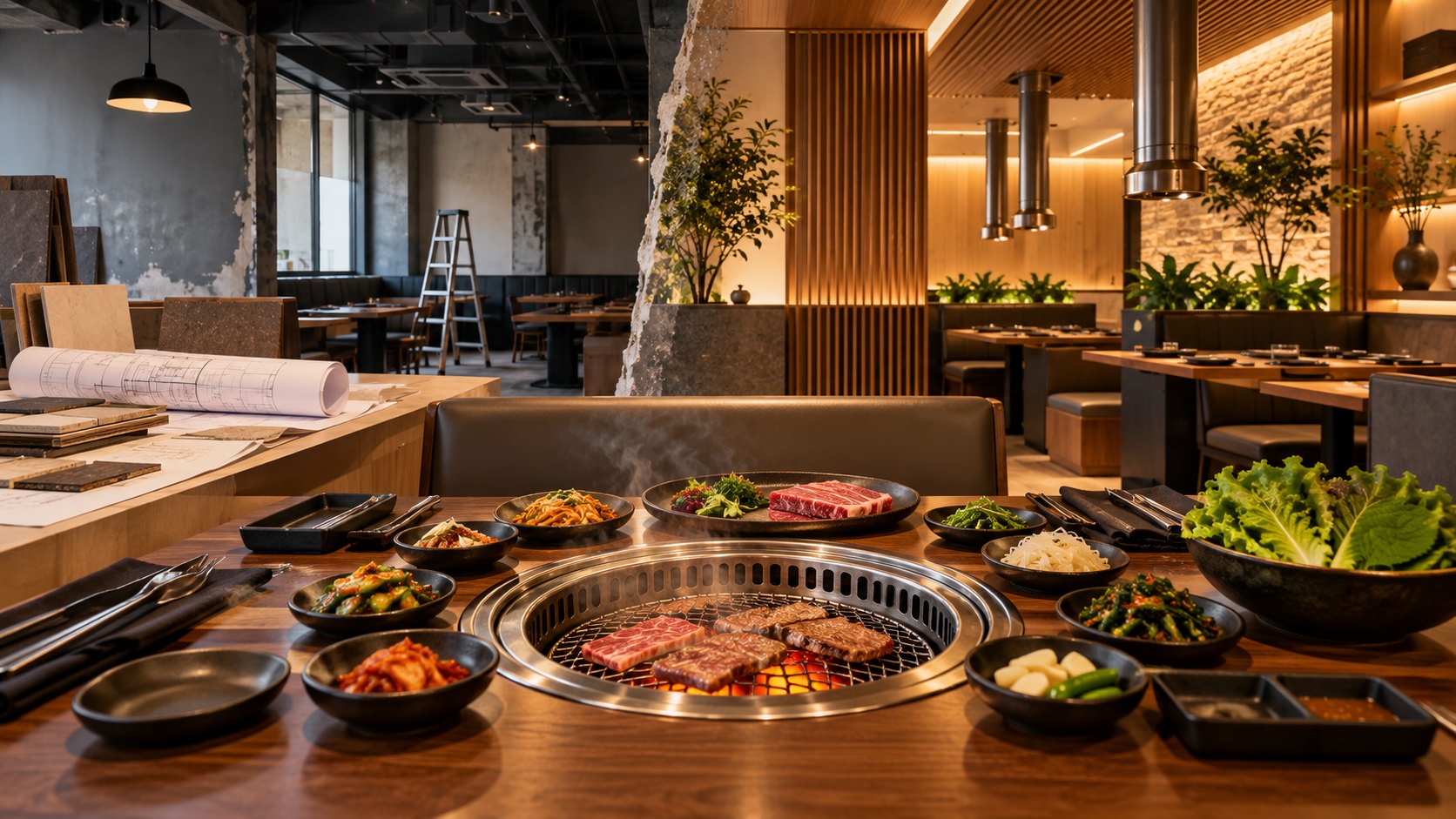
At restaurants that remain Korean barbecue operations, Chubby Group says the GEN X format will bring upgraded proteins, refreshed interiors and expanded buffet stations. Other sites could be converted to existing Chubby concepts. The buyer operates a collection of restaurant brands built around Korean barbecue, hot pot, sushi and other Asian dining formats.
That means the guest experience may vary considerably by market. Some diners could find a remodeled version of a familiar all-you-can-eat barbecue restaurant, while others could eventually see a different name, menu and service style.
For now, reservations, gift cards, loyalty benefits and store-specific changes should be confirmed with the individual restaurant. A signed letter of intent establishes the framework for a transaction; it does not guarantee that every proposed conversion will happen on the same timetable.
GEN keeps the brand and packaged-food business
The unusual part of the deal is what the seller plans to retain. GEN Restaurant Group says it will keep ownership of the GEN brand and continue building its consumer packaged goods business even as it transfers restaurant operations.
The company has been expanding retail distribution for sauces, marinades and other products. In its second-quarter results, GEN said its packaged products had reached nearly 2,000 retail locations. The proposed restaurant sale would move the company further toward that brand-and-products model.
GEN also expects the transaction to reduce approximately $160 million in lease liabilities. Under the announced structure, Chubby Group would fund restaurant conversions while GEN would continue receiving operating profits from each location until its phase of the transfer is completed.
The transaction includes a note that could be converted into Chubby Group equity at a stated $1.5 billion valuation, according to GEN’s announcement. That gives the seller a possible continuing financial interest in the buyer beyond the restaurant handoff.
Why Chubby Group wants the locations
Chubby Group has grown through a portfolio approach rather than a single national restaurant identity. The company says its operating system includes centralized meat sourcing, modular restaurant designs and technology intended to speed openings and standardize operations.
Acquiring dozens of existing GEN locations would give the company a much larger footprint without building every restaurant from the ground up. It would also provide a set of kitchens, leases and dining rooms that are already designed around tabletop cooking and high-volume group dining.
The challenge will be converting those advantages into a consistent customer experience. Remodeling a restaurant while preserving staff, food quality and local loyalty is more complicated than changing a sign. The buyer will also have to decide which GEN locations are strong enough to support the GEN X format and which are better suited to another concept.
For diners, the practical questions are local: whether a favorite restaurant is changing, what will happen to its menu and memberships, and how long any renovation will last. Those answers should become clearer as definitive agreements are completed and the companies publish the schedule for each phase.