

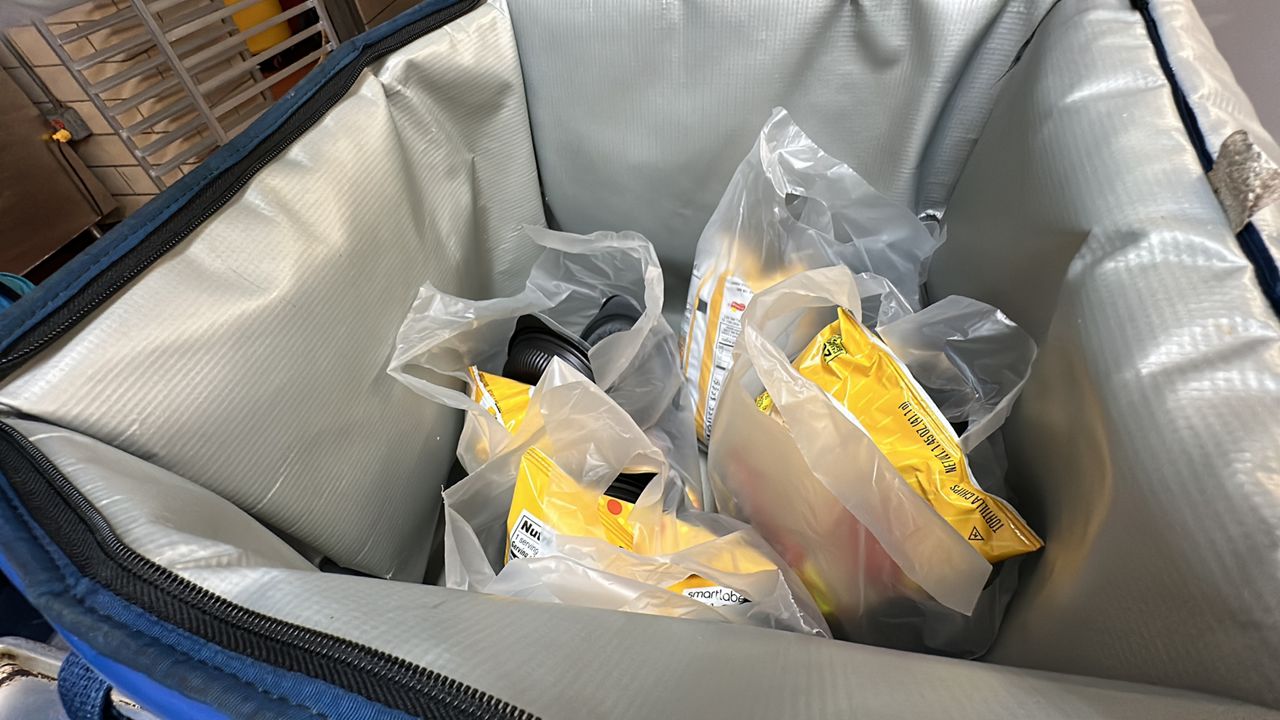
A summer food program wants to feed as many families in rural North Carolina as possible.
With the academic year out for so many during summer, there are meals that some children will no longer receive because they are not in school. For some children, a meal at school is the only guaranteed meal of their day.
The Carolina Hunger Initiative plays a major part in the effort to get meals to children.
The N.C. Non-Congregate Summer Meal Service for youth is also called USDA’s SUN Meals To Go. The Carolina Hunger Initiative (CHI) is a group based out of the state’s flagship university in Chapel Hill to target hunger in overlooked areas where nutritional programs are frequently underused.
Tamara Baker, the CHI’s project and communications director, confirmed the effort led to 57,936 meals for breakfast, 65,395 for lunch, and 2,096 snacks served across the state last summer.
The United States Department of Agriculture reports that nearly 1 in 5 children face food insecurity. In other words, a lack of reliable food options.
A summertime rural food service is putting food on the table for families.
During the summer, the CHI receives state and federal funding to partner with state agencies like the Department of Public Instruction and the N.C. Department of Health and Human Services that administer resources to make this possible.
The initiative is more amplified in more secluded, often resource-poor areas in North Carolina.
The critical demand is not only because of the baseline need for food in the non-academic months, but also because the scorching heat intensifies this need even more, given bodies require more fuel to function in hot weather.
Valerie Anderson wants every bag of food filled, belly full and child fed in Wilson County. She hands out a same-day hot meal and a next-day breakfast multiple times a week at one of the sites coordinated by the CHI.
“Oh, it feels very good because there are so many children out there starving,” Anderson said.
Anderson is the Wells Elementary school cafeteria manager for the Wilson County Schools system.
The fun-loving 53-year-old is serving up some hearty helpings with The N.C. Summer Non-Congregant Meal Service for youth.
The CHI wants to create more awareness for community members about this resource.
“This is where we keep our hot food,” Anderson said, opening the oven where same-day food was kept warm for families.
Some sites plan weekly. This location passes out food multiple days of the week.
“I (have) been with child nutrition going on 10 years. I (have) been helping and serving, doing whatever needs to be done to get these children fed,” Anderson said.
Anderson and her fellow cafeteria employees moved with a sense of urgency in the scorching heat, wasting no movement to prepare meals for families.
Amber Sharpe is the executive director of Child School Nutrition Services for Wilson County Schools.
“We have a lot of students in our district that when they’re not in school, they’re not eating. So we try to provide them meals in the summertime to get them through,” Sharpe said.
“Weather, heat, depends on our turnout,” Sharpe said. “We take note of what we are serving the previous days and work off that. Sometimes we are running back and forth to schools and adding more meals.”
All good things take time. Wilson County Schools Nutritional Services employees confirmed that 30 families picked up meals on the Monday of the second week in July. Between that Monday and Tuesday, WCSNS initiated a mass text message to all families with children 18 and younger living in the area about the program, and pick-ups jumped to 80.

Families can find out more by texting this number for the N.C. Free Rural Summer Meals Program.
Sharpe said her goal is to serve between 50,000 and 55,000 meals for the summer. The executive director said that’s a lofty, yet reachable aim considering it would be more than the 10,000 meals served last summer. Last year was the first summer the program operated.
“It’s just great to know we can offer it,” Sharpe said.
It’s an offer to make access no longer a barrier for rural communities.
A CHI spokeswoman confirmed at least 200 meal sites are in use this summer. Baker said it’s a number that has grown by the week.
Designated adults like a grandparent, parent or guardian, must pick up the meals and be pre-approved.
“We love it. We love everything we do. I love the ladies that do it. They do a great job. The amount of appreciation we get from the families and the students. It makes our job wonderful,” Sharpe said.
Baker said there are 200 participating meal sites, and the numbers are growing by the week.
Click here to find a meal site near you. For more instructions you may text FOOD or COMIDA to 304-304 to receive a text with the three closest meals.
This article was originally published by a spectrumlocalnews.com . Read the Original article here. .